redPanda Statistical Courseware  

Introduction Topics  Example  Theory  Advocacy  About Us       
     nodes
Learning Concepts
 
    Academic learning involves acquiring facts, theories, definitions, procedures, and the relationships that connect them. Together, these elements form the foundation of an academic discipline. In this context, the discipline of interest is basic statistics and the core concepts that define it.

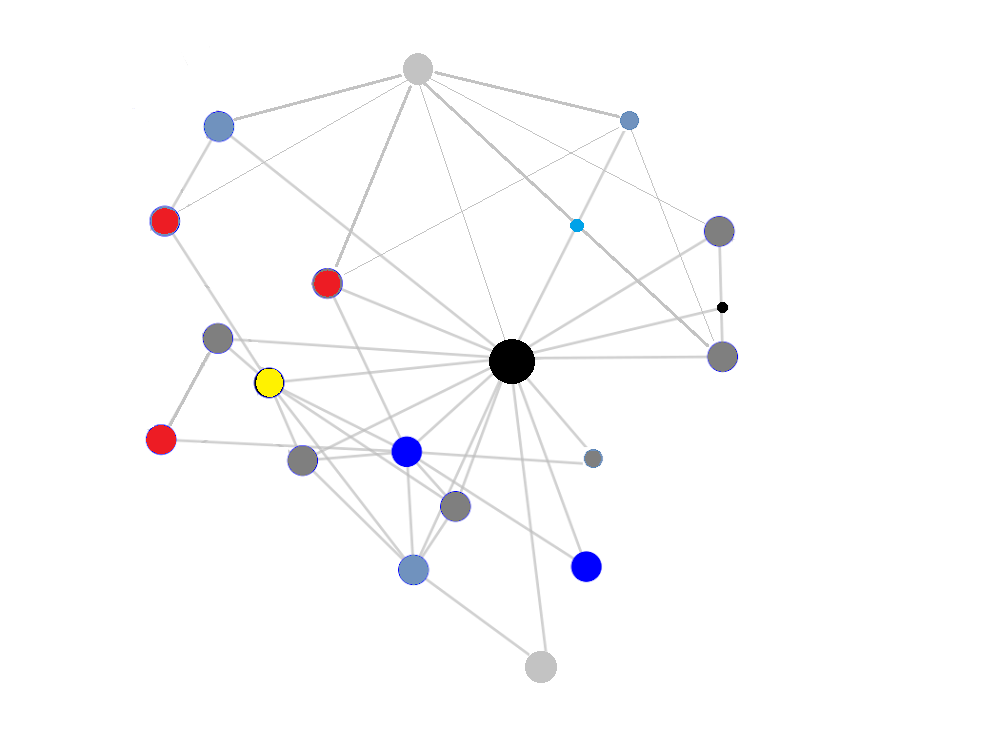
    One useful way to visualize knowledge is through a network diagram. In such a diagram, the nodes represent facts, theories, definitions, and procedures, while the connecting links illustrate how these elements relate to one another. Learning a concept can be thought of as identifying the relevant nodes, understanding how they interconnect, and storing that organized structure - known as a schema - into memory.

memory
Cognitive Load Theory - a Simplified Overview
 
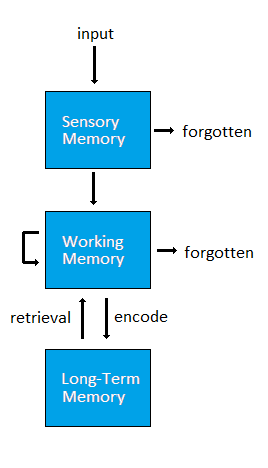
    Processing information into memory is understood to be a multistep process. When a fact is presented - perhaps spoken aloud and illustrated on a whiteboard - it first enters sensory memory. If the information is not immediately dismissed, it then moves into working memory, where it is consciously examined. From there, the information may be encoded into a new or existing schema and stored in long term memory, or it may fail to be retained. The moments when information is ignored in sensory memory or not saved in working memory represent the major challenges in acquiring new knowledge.

    Cognitive Load Theory (CLT) proposes that humans have a limited capacity for working memory. When information exceeds that capacity, cognitive overload occurs, disrupting the process of transferring new material into long term memory. To reduce this risk, it is essential to use instructional design principles, presentation strategies, and educational tools that help minimize cognitive load.

How redPanda Statistical Courseware Helps 
 
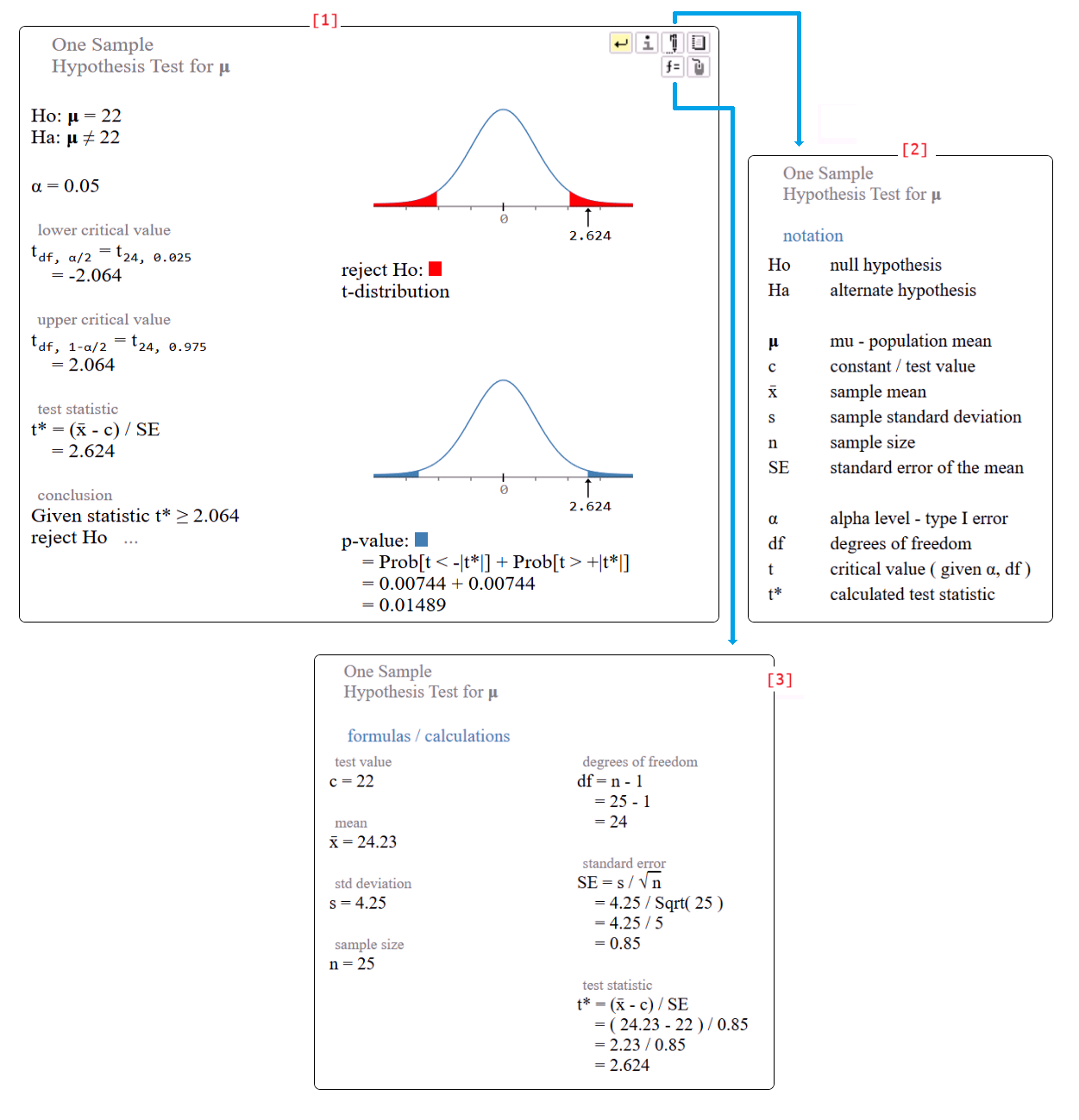
    Using a very simple web-based interface, our courseware provides a statistical computing tool to assist new statistics students working with topics in their first statistics course. Within a few clicks students can be (just to name a few examples) working with a number of different probability distributions, calculating confidence intervals, or running t-tests. Unlike most statistical packages, the procedures are highly labelled and laid out to match the format and flow of most instructional resources. The objective is to avoid the initial complexity of working with statistical programming languages or packages and attempt to avoid cognitive overload. In addition, most procedures have secondary screens that provide information about data structures, sample schema, levels of measurement, procedure assumptions, notation, formulas, and intermediate calculations. A simplified and highly connected environment aids students in learning new concepts and adding them to preexisting connected schemas. The result being that statistical concepts are more likely to be understood and saved in long term memory.

redPanda redPanda
                                          redPanda


© 2025